If you've ever seen steam rising from your hood or a temperature gauge creeping into the red, you know how stressful an overheating engine can be. Whether you're stuck in traffic or cruising on the highway, knowing what to do when your engine overheats (and what not to do) can help you stay safe and prevent costly repairs.
Key Takeaways
- Pull over safely and shut off the engine as soon as you notice signs of overheating.
- Turn off the A/C and run the heater to help draw heat away from the engine while finding a safe place to stop.
- Never open the radiator cap, pour cold water on the engine, or check coolant while the engine is still hot.
- Continuing to drive with an overheated engine can cause a blown head gasket, warped components, engine block damage, or complete engine failure.
- Even if your vehicle cools down or adding coolant appears to help, have it inspected to identify the underlying problem that caused your engine to overheat.
Table of Contents
- Signs your engine is overheating
- What to do when your engine overheats
- What not to do when your car engine overheats
- What can happen if you don’t address your overheating car
- What causes engine overheating
- How to prevent an overheated car engine
- Car overheating FAQs
SIGNS YOUR ENGINE IS OVERHEATING
First, you want to make sure you’ve identified the right problem. It's important to know the symptoms of an overheated engine, which can include:
- Temperature Gauge in the Red (if equipped): Your first alert is the engine temperature gauge on your dashboard spiking to "H" or into the red. (Engine temperature gauge symbols and alerts vary, so consult your owner's manual.)
- Steam (which can look like smoke) From the Hood: Steam often indicates boiling coolant escaping from the cooling system, typically from a system leak, the radiator, or the overflow tank. However, smoke—especially if it has a burnt or oily smell—could indicate oil or fluid leaks or other engine problems.
- Strange Smells: Sweet (coolant), burning rubber (belts), or hot oil smells could all point to overheating.
- Loss of Engine Power: The engine may run rough, stall, or go into limp mode to prevent damage.
- Dashboard Warning Lights: Some vehicles may display a temperature warning light or check engine light.
Don’t ignore these signs. The earlier you act, the better your chance of avoiding serious repairs.
WHAT TO DO WHEN YOUR ENGINE OVERHEATS
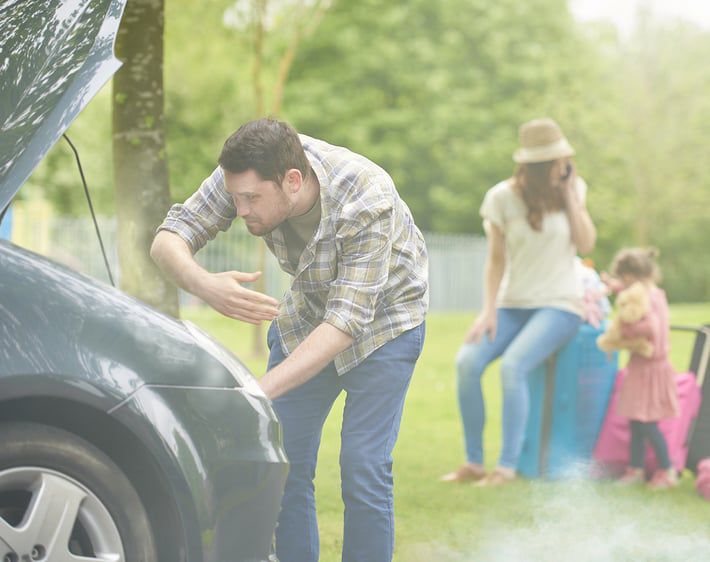
Knowing what to do when a car overheats and smokes can help you prevent further engine damage and get to a repair shop as safely as possible. Once you notice steam/smoke coming from the engine, or your vehicle indicates an overheating condition (such as a temperature gauge moving into the red or a warning indicator), follow these steps:
1. Kill the air conditioner and crank the heat.
Immediately turn off the A/C to reduce stress on the engine. Then, turn the dial to maximum heat. This may sound strange, but with most vehicles, turning on the heat pulls hot air away from the engine and into the cabin, which can help reduce engine temperature.
2. Find a safe place to pull over.
As soon as it’s safe, pull over and shut off the engine. Allow the engine to cool for at least 15–30 minutes before attempting to open the hood.
3. Let the engine cool.
Touching a hot radiator cap or engine component can result in serious burns. Keep an eye on the temperature gauge. It should move back to a normal range as the engine cools. (Remember that “normal” operating temperatures for coolant are still very hot for humans. DO NOT TOUCH.)
While you're waiting (and watching the gauge), put together a plan to get your overheated engine checked out. You may contact a friend, roadside assistance, or call for a tow truck.
Note: Restarting the engine before it has cooled can cause further overheating or damage. If you need to check the engine temperature, only turn the ignition to the “on” position without starting the engine to read the gauge.
4. Check coolant levels.
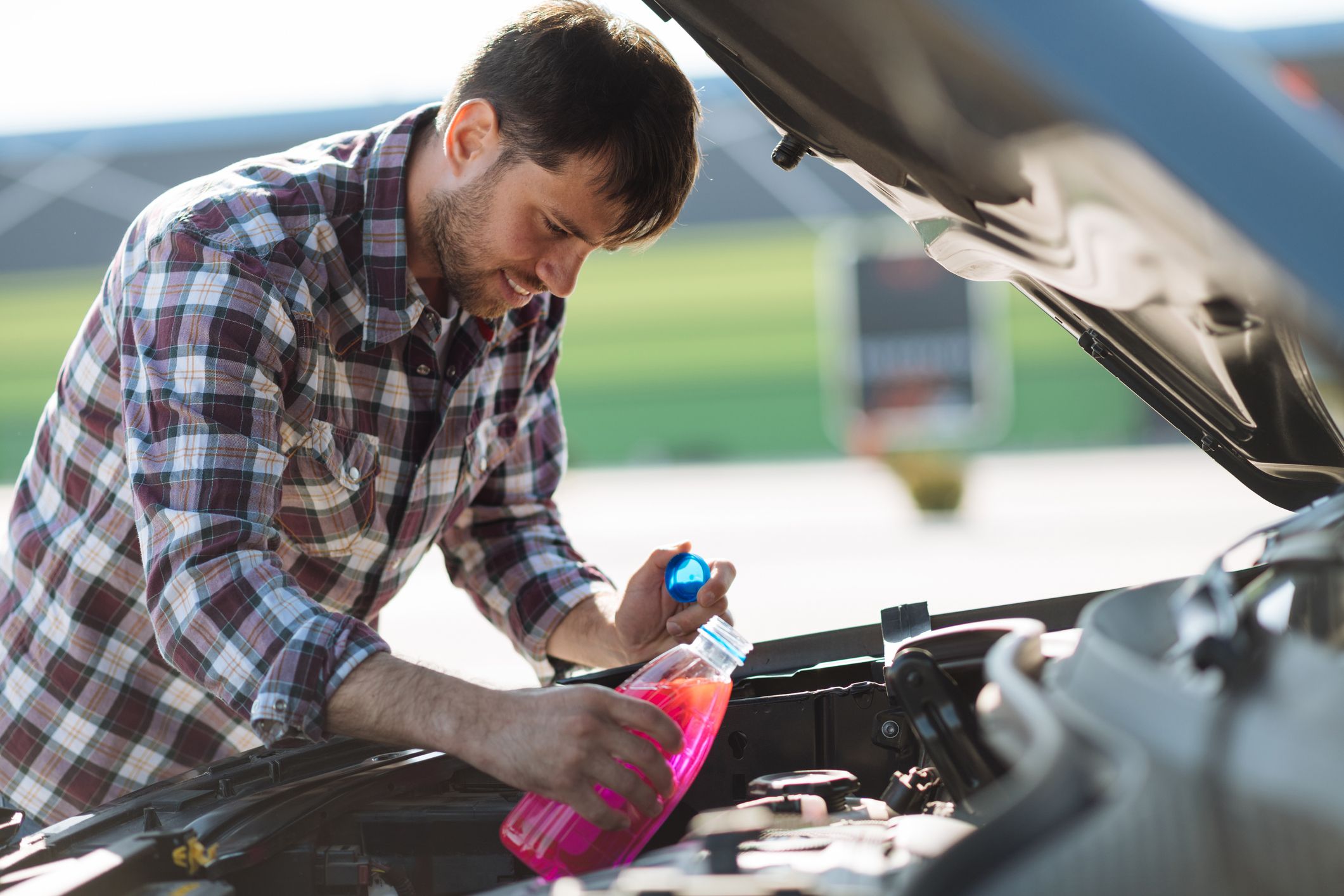
Once the engine has cooled, visually inspect the coolant reservoir. If the level is low and you have coolant available, you may carefully top it off, but only after a few hours if the engine has cooled completely (the temperature gauge shows “cool,” not “normal”).
Be sure to use the correct type of coolant for your vehicle (check the Owner’s Manual) and remember to have the correct ratio of water and antifreeze to create the coolant mixture recommended by your vehicle manufacturer.
5. Restart the engine.
If you don’t have your car towed, now's the time to carefully restart your engine and drive to your nearest auto repair shop. Keep an eye on the temperature gauge as you drive. If it rises again, pull over and let the system cool.
WHAT NOT TO DO WHEN YOUR CAR ENGINE OVERHEATS
1. Don't panic.
Your engine isn’t keeping its cool, but you can. Avoid swerving through traffic or slamming on your brakes when pulling off the road.
2. Don't keep driving.
Driving while the engine is overheating can warp cylinder heads, crack the engine block, and cause irreparable damage.
3. Don’t open the hood immediately.
Wait until the engine temperature gauge settles before opening the hood. Opening the hood immediately can put you at risk of burns or injuries from spewing steam or smoke.
4. Don’t pour cold water on a hot engine.
The sudden temperature change could cause parts of the engine to crack.
5. Don’t let the issue linger.
An overheating engine won't resolve itself, even if it seems to be fixed after you add a little coolant. It will only get worse if left unaddressed. To help save your engine, get to the root of the issue. Bring your car to Firestone Complete Auto Care for a Complete Vehicle Inspection or diagnostic service so we can diagnose the problem and recommend a solution.
What Can Happen If You Ignore an Overheating Car?
Engine overheating is a problem that requires professional attention. If you continue driving an overheated car or don’t bring it in for repair, you risk serious damage to your engine, including:
Blown Head Gasket
The head gasket seals the engine block and cylinder head to keep oil, coolant, and combustion gases properly separated. Extreme heat causes metal engine parts to expand, which can warp the head or blow the head gasket, allowing coolant to leak into the cylinders or mix with engine oil.
Watch for white exhaust smoke, milky-looking oil, or a rapid loss of coolant, and plan on a trip in for engine repair since this is not a fix you want to put off.
Warped or Cracked Cylinder Head
Aluminum cylinder heads are especially vulnerable to extreme heat and can warp or crack under severe or prolonged overheating. A warped head may no longer seal evenly against the engine block, which can lead to compression loss, mixing of oil and coolant, and rough running. In many cases, a warped or cracked cylinder head needs to be resurfaced or replaced entirely.
Engine Block Damage
The engine block houses the cylinders, pistons, and much of your engine’s internal machinery. Severe or repeated overheating can cause the block itself to crack or warp, especially around the cylinder walls. Once the engine block is compromised, coolant and oil can leak internally or externally, and replacing the engine is often the next step.
Complete Engine Seizure
In the most severe cases, extreme heat causes internal components to expand and warp so much that moving parts fuse together or the oil can no longer lubricate them. When that happens, the engine seizes completely and stops running, usually for good. Regular inspections and prompt attention to warning signs can help you catch cooling system trouble long before your vehicle reaches the point of engine seizure.
What Causes Engine Overheating?
In general, engines overheat because something's wrong with the cooling system and heat can't escape the engine compartment. Common causes of engine overheating include low coolant levels, a cooling system leak, a faulty radiator fan or water pump, low engine oil levels, or thermostat failure.
If you're wondering what can cause a car to overheat, here’s a closer look at five possible culprits.
1. Low coolant levels
Coolant, a mixture of antifreeze and water at the correct ratio, absorbs heat from the engine and transfers it to the radiator, where it’s cooled by airflow. If the coolant level is too low due to a leak, evaporation, or neglect, there won’t be enough fluid to manage engine temperature.
In this Shop Talk Translated video, one of our technicians breaks down what coolant actually does and the warning signs that it’s time for a check:
2. Cooling system leak
A car’s cooling system regulates heat coming from the engine. When coolant leaks from the system, your engine temperature will climb and eventually overheat.
A coolant leak can result from a faulty hose, a worn-out gasket, a cracked engine block, or even a damaged radiator. Regular inspections and maintenance are the best ways to prevent coolant leaks and engine damage from overheating.
3. Faulty water pump
The water pump circulates coolant through the engine. If it wears out, it can disrupt coolant flow and cause overheating. Watch for a high-pitched squeal from the front of the engine or a coolant puddle under your vehicle, since these are common early signs of water pump failure.
Inside the water pump is its impeller, a spinning fan-like component that pushes coolant through the cooling system’s passages. Problems arise when an old or worn-down impeller gets blocked or stops rotating altogether.
Without coolant flow, your engine temperature can skyrocket quickly. You can count on Firestone Complete Auto Care to replace your water pump and help prevent future overheating.
4. Damaged or leaking hoses and belts
Belts and hoses connect key components of the cooling system. Hoses move coolant to and from the engine and radiator, while belts help drive the water pump. Cracked, brittle, or loose hoses can leak coolant, and a broken belt can stop the water pump from working altogether. Either issue disrupts coolant flow, causing the engine to overheat.
5. Bad radiator
When it comes to your vehicle’s cooling system, think of the radiator as the heat exchanger. A coolant mixture constantly circulates from the radiator to the engine to absorb excess heat. When the coolant returns to the radiator, a series of fins cools it and extracts heat.
Signs of a failing radiator include visible coolant puddles under the front of your vehicle, discolored or rusty-looking coolant, and damaged or blocked radiator fins. Firestone Complete Auto Care can diagnose and repair issues with your radiator.
6. Low engine oil level
Car engines use many moving parts to ignite fuel that gets your vehicle moving. Engine oil provides essential lubrication for these parts, reducing heat-generating friction. When engine oil levels are too low, poorly lubricated parts create more friction and build up heat.
Engine oil also helps transfer heat away from the engine, just like coolant. Heat stress and even serious engine damage can result from low engine oil levels.
Staying on top of regular engine oil changes is the best way to avoid this problem altogether. Take indicators seriously, like your dashboard oil light, and get your car to a technician as soon as possible if you think your engine oil levels are too low.
5. Thermostat failure
Your vehicle’s cooling system relies on a thermostat near the engine to determine when to send out coolant to regulate the engine’s heat. If your thermostat malfunctions, the entire system can be thrown out of balance.
A thermostat stuck closed tends to cause rapid overheating soon after startup, while one stuck open can leave the cabin heater blowing cool air and the temperature gauge reading lower than normal. The best way to avoid thermostat failure is through regular cooling system maintenance, including coolant fluid exchanges as recommended by the manufacturer.
Any of these issues can cause your temperature gauge to spike, leading to rapid overheating. If you’ve ever asked yourself, "Why is my car overheating?"—there’s a good chance it traces back to one of these components.
How to Prevent Engine Overheating
The best way to prevent overheating is through regular inspections, coolant exchanges, and radiator maintenance as recommended by your vehicle manufacturer. Routine inspections can also help you fix any potential radiator or engine issues before they worsen.
- Check Coolant Levels Regularly: Top off when needed and inspect for leaks.
- Inspect Your Cooling System and Radiator Regularly: During routine maintenance, have your cooling system, including hoses and the radiator, checked for leaks, clogs, and damage.
- Inspect Belts and Hoses: Look for signs of wear, cracking, or bulging.
- Watch for Warning Signs: Address unusual noises, smells, or dashboard indicators promptly.
- Schedule Regular Maintenance: A trained technician can help catch issues before they become problems.
This summer, feel the heat at the beach, not on the road. Keep your cool and head to your nearest Firestone Complete Auto Care for the nationally trusted auto repair advice and service you need.
Car Overheating FAQs
Can low oil cause a car to overheat?
Yes. In addition to lubricating parts, motor oil helps carry heat away from the engine. When oil levels run low, parts rub together with more friction and generate more heat, while less oil is available to help cool things down. Check your oil level regularly to help prevent overheating.
Can a bad thermostat cause overheating?
Yes. The thermostat controls when coolant flows to the radiator. If it fails in the closed position, the coolant can’t circulate properly, and the engine can overheat quickly. A cooling system diagnostic can confirm whether a faulty thermostat is to blame.
Can a bad water pump cause overheating?
Yes. The water pump keeps coolant circulating through the engine and radiator. If the pump fails, coolant flow slows or stops, and the engine can overheat in a short amount of time.
How long can an engine run while overheating?
There’s no safe amount of time to keep driving an overheating engine. Damage can begin within just a minute or two of overheating, and continuing to drive raises the risk of a blown head gasket, warped cylinder head, or worse. As soon as you notice signs of overheating, pull over safely and shut off the engine.
What damage can an overheating engine cause?
Overheating can lead to a blown head gasket, a warped or cracked cylinder head, engine block damage, and, in severe cases, complete engine seizure. It can also damage hoses, gaskets, and seals throughout the cooling system. The longer an overheating engine keeps running, the more extensive and costly the damage tends to be.
Can overheating ruin an engine?
Yes, in severe or repeated cases. A single instance of overheating that’s caught early and addressed quickly may only require minor repairs, but ignoring the problem or continuing to drive can lead to permanent damage that requires an engine replacement. Bring your vehicle in for an inspection at the first sign of trouble to help protect your engine.
--
Article Development Supported & Reviewed By:
Firestone Complete Auto Care’s Technical Operations Team
The Firestone Complete Auto Care’s Technical Operations Team is composed of ASE certified technicians with over 70 years of combined experience. ASE certification represents the highest standard of technical training in the automotive industry. Guided by Firestone Complete Auto Care’s rigorous editorial standards, our team delivers timely, detailed, and practical resources drivers can trust to keep their vehicles running newer, longer.